 mezzomedi
Black pepper
Pungent and woody black pepper, universal aromatic heat.
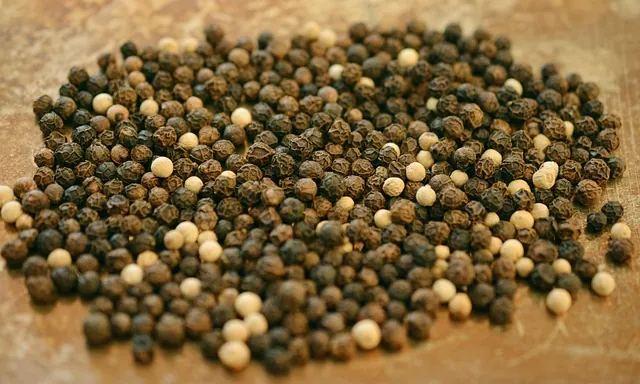
Black pepper is a pungent spice with woody notes; freshly ground, it releases its complex aromas. Its granular texture melts delicately in the mouth, enhancing flavors without masking them. Essential in Mediterranean cuisine, it subtly elevates simple and sophisticated dishes.
Best pairings
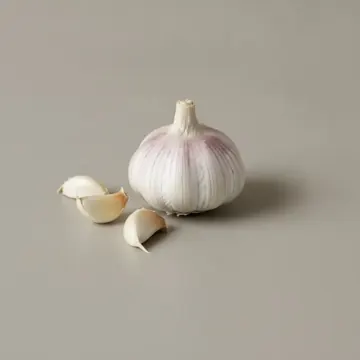 Garlic Classic88%
An essential base for all Mediterranean cuisine, garlic and black pepper create the aromatic foundation of every Tuscan, Greek, or Provençal sauce.
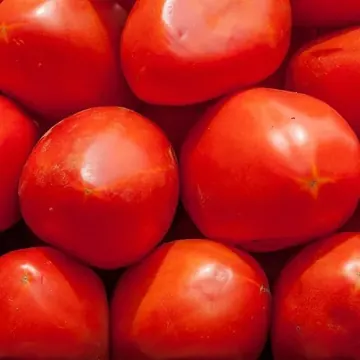 Tomato Classic88%
A canonical duo from pan-fried tomato to ragù to Roman sauce; black pepper exalts the natural acidity of tomato.
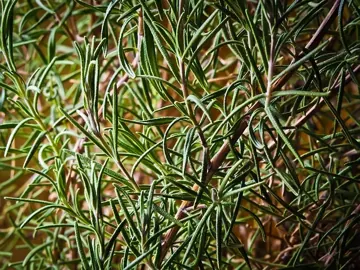 Rosemary Classic88%
A typical pairing for Mediterranean grilled meats (lamb, pork); black pepper and rosemary form an irresistible herbaceous-spicy duo.
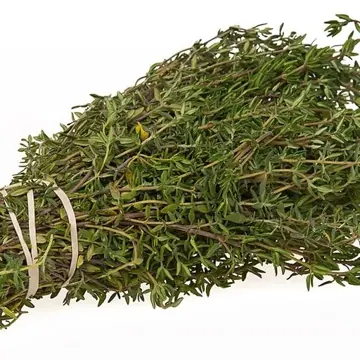 Thyme Classic87%
The quintessential Provençal herb, thyme with black pepper is the signature of Southern roasts, braises, and roasted vegetables.
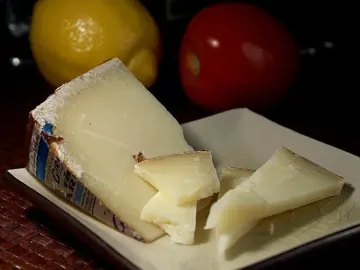 Pecorino Classic87%
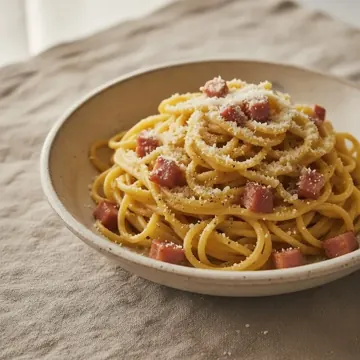
Cacio e pepe: Pecorino and pepper on pasta.
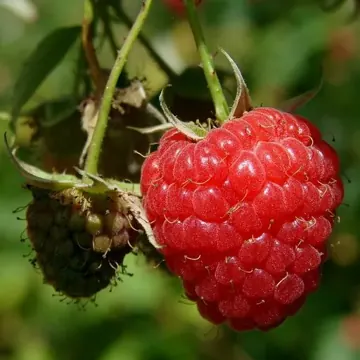 Raspberry Classic86%
Mediterranean spice; a piquancy that energizes natural acidity.
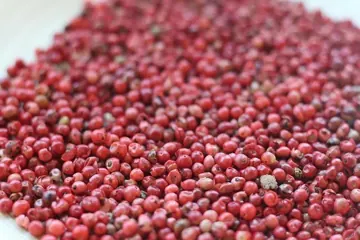 Pink peppercorn Classic86%
Traditional pepper blend for complexity and sweetness, highly prized in Provence.
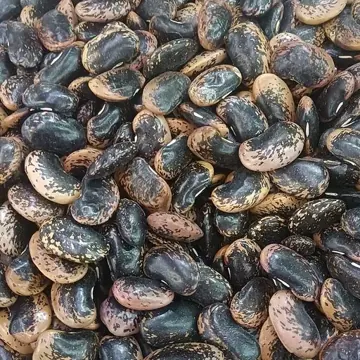 Cannellini bean Classic86%
Classic Mediterranean spice that lightly piques the creamy richness of cannellini beans.
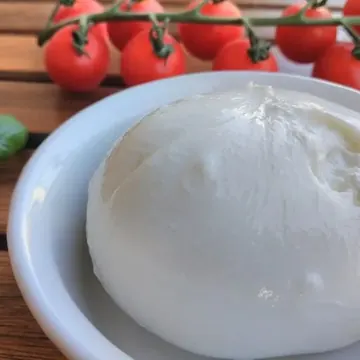 Burrata Classic86%
Ground black pepper provides a spicy warmth that contrasts with the creamy sweetness of burrata.
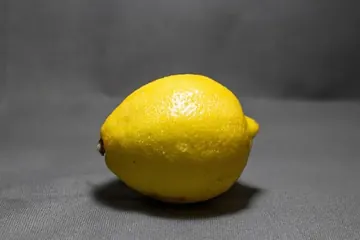 Lemon Classic85%
Lemon acidity and black pepper dance together on grilled fish, plancha shrimp, or coastal salad.
Plate builder, pantry, dishes: it's all in the app.
In the kitchen
Signature dishes
Substitutes
FAQ
What goes with black pepper?
Black pepper pairs especially well with garlic, tomato, rosemary, thyme and pecorino. An essential base for all Mediterranean cuisine, garlic and black pepper create the aromatic foundation of every Tuscan, Greek, or Provençal sauce.
What can I substitute for black pepper?
If you don't have it, try: white pepper, pink peppercorn, aleppo pepper.