 mezzomedi
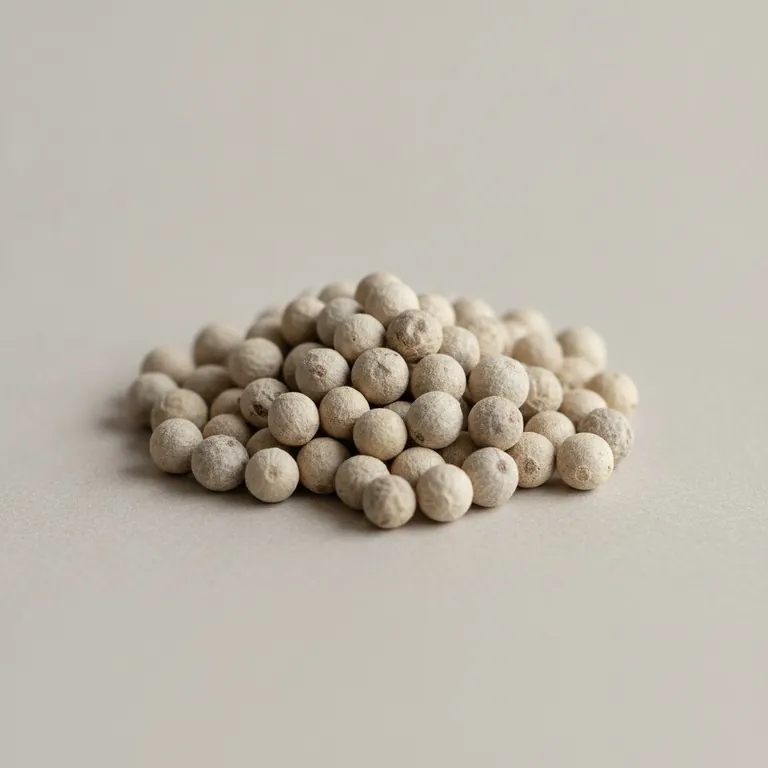
White pepper
Milder and earthier white pepper than black, slightly fermented.
White pepper is pepper stripped of its black husk, offering a milder and slightly sweeter taste than its black counterpart. Its fine texture and delicate flavor make it a prized ingredient in Mediterranean cuisine for elegantly finishing dishes without coloring the preparation, especially in white sauces and soups.
Best pairings
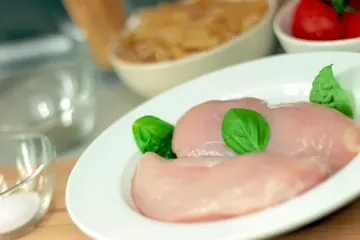 Chicken Classic88%
An essential base in Mediterranean cuisine; white pepper highlights the delicate tenderness of poultry without harshness.
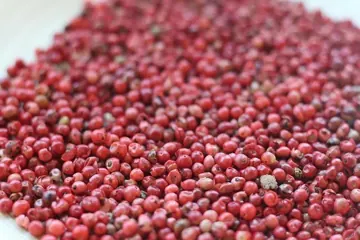 Pink peppercorn Classic88%
A classic duo of complementary spices, from the same peppery family with contrasting floral notes.
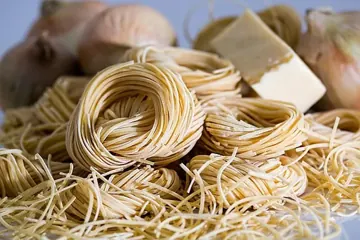 Pasta Classic85%
Mediterranean cacio e pepe; white pepper creates a gentle bond with the wheat's texture.
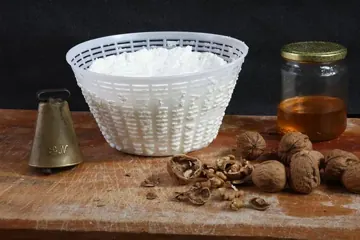 Mascarpone Classic84%
Italian harmony; the fine crystals of white pepper elegantly contrast with creamy sweetness.
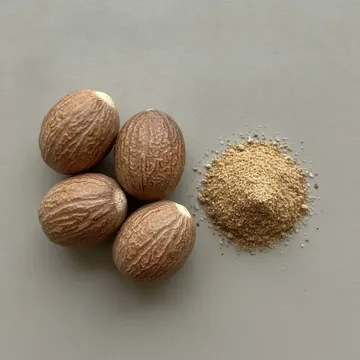 Nutmeg Classic82%
A spice pairing for delicate sauces, where nutmeg adds warmth and white pepper provides finesse.
 Ricotta Classic82%
A traditional Italian pairing; white pepper softens the grainy texture of fresh cheese.
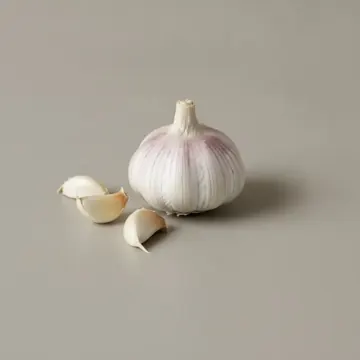 Garlic Classic81%
Provençal trinity; white pepper tempers the sulfuric intensity of garlic without negating it.
 Lemon Classic79%
Classic Greek duality; white pepper mellows citrus acidity by adding aromatic pungency.
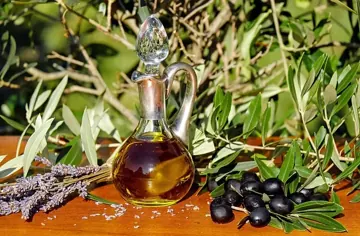 Olive oil Classic78%
A Mediterranean trio: white pepper subtly enhances the oil's fruity notes without overpowering them.
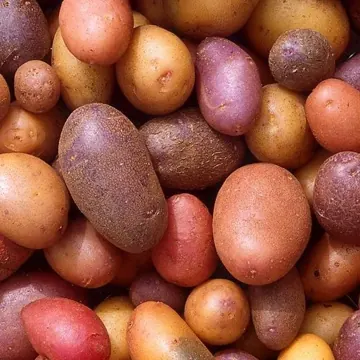 Potato Classic76%
White pepper in mashed potatoes and light velouté soups.
Plate builder, pantry, dishes: it's all in the app.
In the kitchen
Signature dishes
Substitutes
FAQ
What goes with white pepper?
White pepper pairs especially well with chicken, pink peppercorn, pasta, mascarpone and nutmeg. An essential base in Mediterranean cuisine; white pepper highlights the delicate tenderness of poultry without harshness.
What can I substitute for white pepper?
If you don't have it, try: black pepper, pink peppercorn, cayenne.