 mezzomedi
Lupin bean
Firm and buttery brined lupin, a savory Mediterranean snack.
Lupini beans are legumes with a slightly bitter and salty flavor, and a firm, compact texture. Traditionally consumed preserved in brine in Mediterranean cuisine, they accompany aperitifs and enrich legume mixes. Their distinctive taste and digestibility firmly establish them in Mediterranean culinary practices.

Best pairings
 Olive oil Classic84%
Fundamental binder that coats and softens lupin, enriching the aromatic pairing.
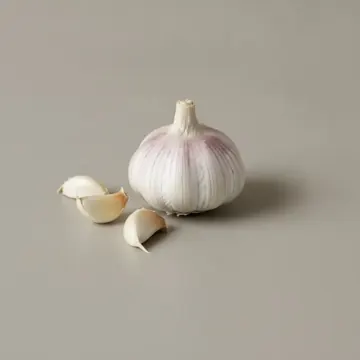 Garlic Classic83%
An indispensable aromatic base that enhances and softens the characteristic bitterness of lupin.
 Preserved lemon Classic82%
Preserved lemon adds depth and complex umami flavor, a traditional North African pairing.
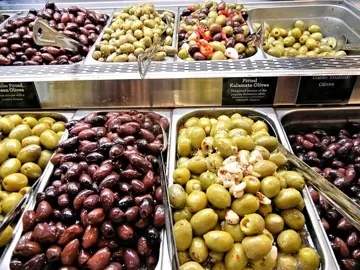 Kalamata olive Classic81%
Classic Greek black olive in mezzes, a harmony of salty and earthy flavors.
 Flat-leaf parsley Classic80%
Fresh Mediterranean herb that balances the density of lupini beans in Greek or Italian mezze.
 Black olive Classic79%
Simple and timeless pairing for Mediterranean appetizers, shared tannic richness.
 Cumin Classic78%
A warm Levantine spice that enriches lupin with sweet, spicy notes.
 Coriander seed Classic77%
A complementary spice to cumin, its floral flavor softens the legume's bitterness.
 Sea salt Classic76%
Salted lupini beans, a Mediterranean aperitif snack.
 Red onion Classic76%
Pungent red onion adds crunchy freshness and light acidity to lupini beans.
Plate builder, pantry, dishes: it's all in the app.
In the kitchen
Signature dishes
Substitutes
FAQ
What goes with lupin bean?
Lupin bean pairs especially well with olive oil, garlic, preserved lemon, kalamata olive and flat-leaf parsley. Fundamental binder that coats and softens lupin, enriching the aromatic pairing.
What can I substitute for lupin bean?
If you don't have it, try: chickpea, white bean, fava bean, green lentil.