 mezzomedi
Fava bean
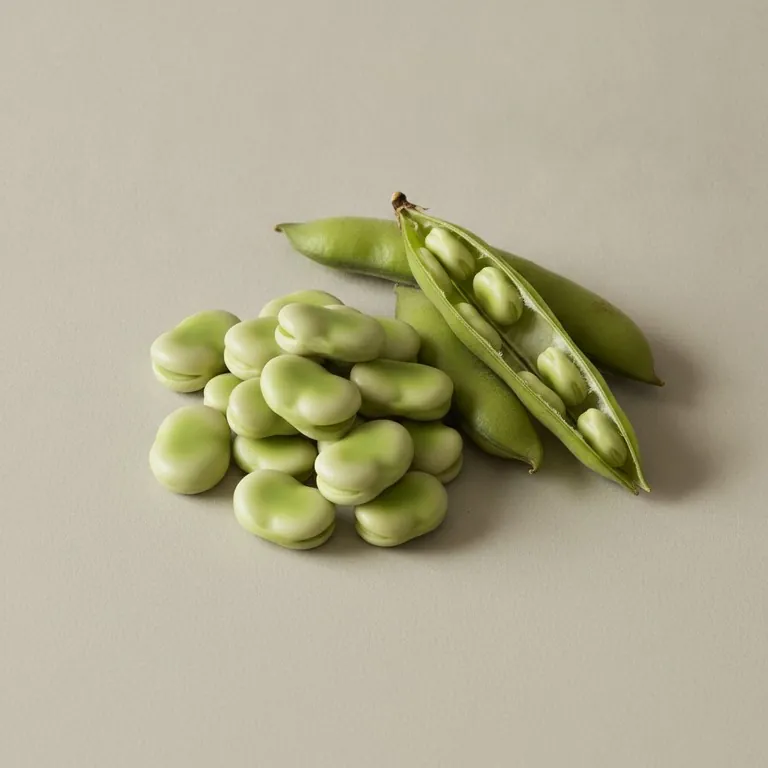
Fresh fava bean with a green and buttery taste, slight spring bitterness.
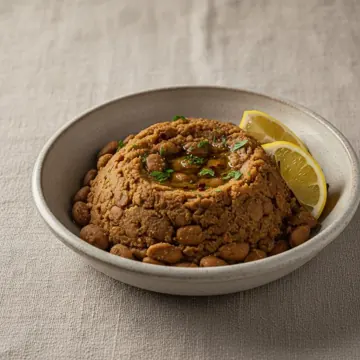
Fava beans are delicate legumes with a sweet and slightly herbaceous taste, prized for their creamy texture when young. They hold an important place in Mediterranean cuisine, particularly in Greek and Levantine traditions, where they are consumed roasted, pureed, or in salads.
Best pairings
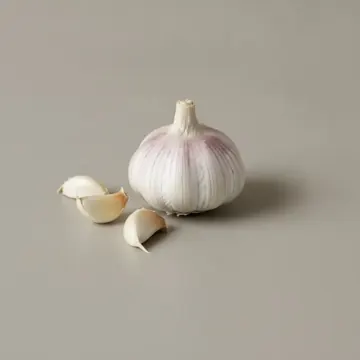 Garlic Classic88%
Socca, purees, and traditional Mediterranean dishes consistently pair fava beans and garlic.
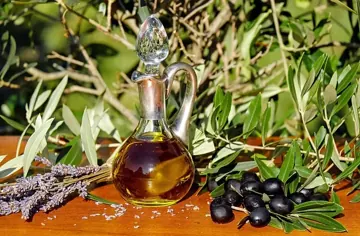 Olive oil Classic88%
An essential lipid base for emulsion and flavor development.
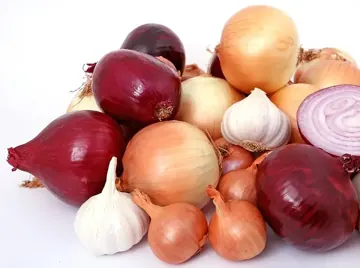 Onion Classic88%
A foundational trio with garlic and lemon in Mediterranean purees and stews.
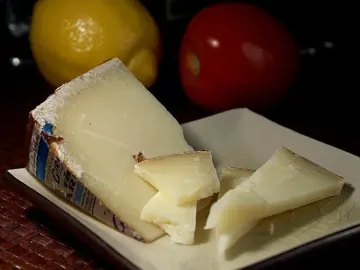 Pecorino Classic87%
Fava beans and Pecorino, a Roman spring snack.
 Tomato Classic86%
Italian and Levantine stews combine slow-cooked fava beans and tomatoes.
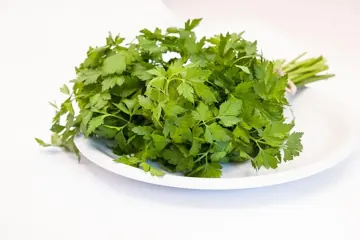 Flat-leaf parsley Classic85%
Classic flat-leaf parsley for freshness in salads and garnishes.
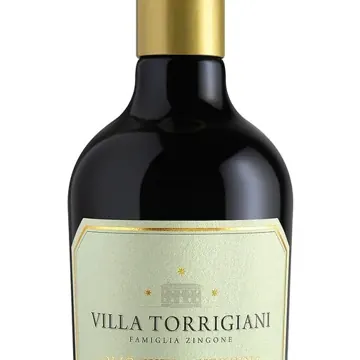 Extra virgin olive oil Classic82%
Fava beans with olive oil, the simplicity of spring.
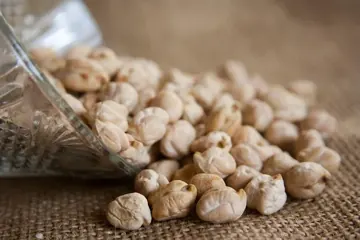 Chickpea Classic82%
Complementary legumes in couscous and North African dishes.
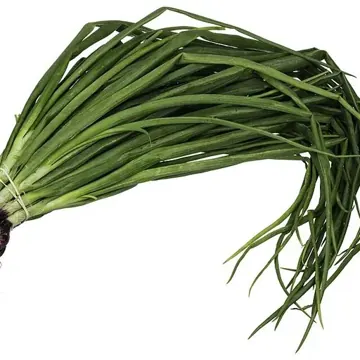 Spring onion Classic81%
Spring onion and fresh fava beans, a spring duo.
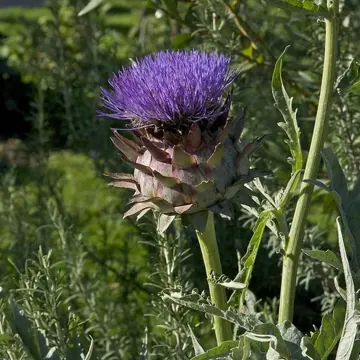 Artichoke Classic81%
Fava beans and artichokes, Roman vignarola.
Plate builder, pantry, dishes: it's all in the app.
In the kitchen
Signature dishes
Substitutes
FAQ
What goes with fava bean?
Fava bean pairs especially well with garlic, olive oil, onion, pecorino and tomato. Socca, purees, and traditional Mediterranean dishes consistently pair fava beans and garlic.
When is fava bean in season?
Best season: spring.
What can I substitute for fava bean?
If you don't have it, try: chickpea, green lentil, white bean, dried fava.