 mezzomedi
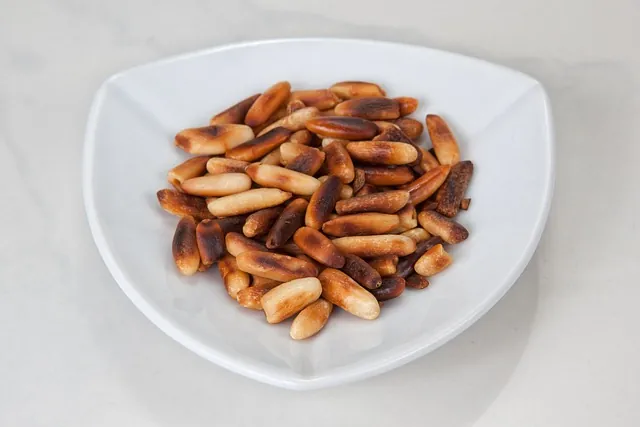
Pine nut
Delicate, buttery pine nut with a sweet resinous note, key to pesto.
Pine nuts are seeds with mild, buttery notes, and a tender, slightly sweet texture. A staple of Mediterranean cuisine, particularly in Italy and the Levant, they add richness and delicacy to savory and sweet preparations.
Best pairings
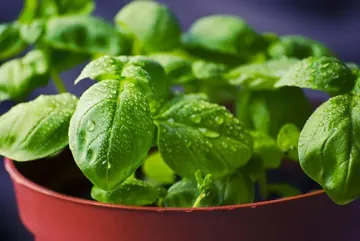 Basil Classic90%
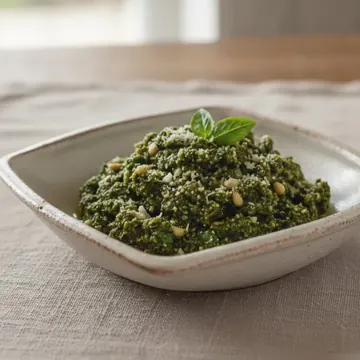
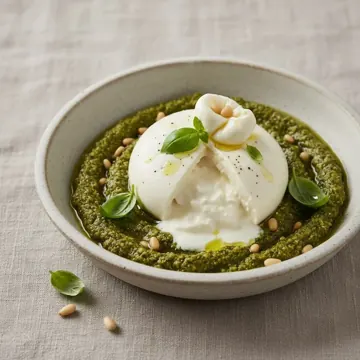
Basil and pine nuts, the base of Genovese pesto.
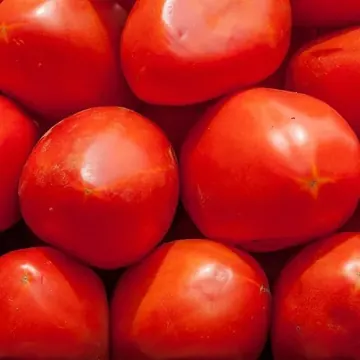 Tomato Classic88%
A base for Mediterranean salads and pasta, pine nuts add texture and umami roundness.
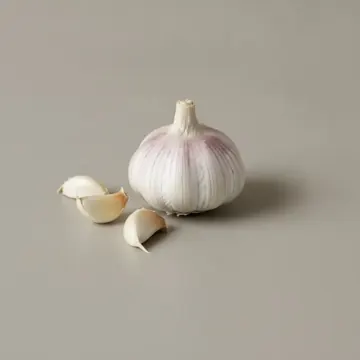 Garlic Classic88%
Fundamental in Provençal and Levantine sauces where creamy pine nuts balance intensity.
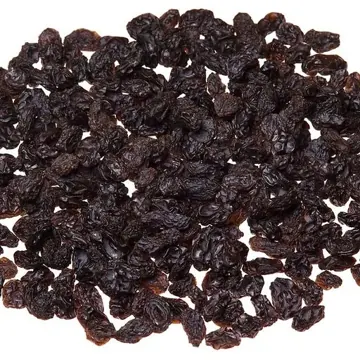 Raisin Classic86%
Pine nuts and raisins, the sweet-sour duo of the South.
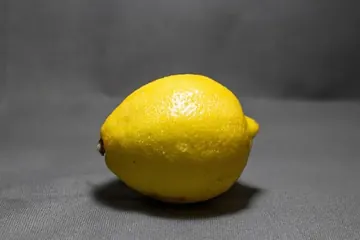 Lemon Classic85%
Bright Levantine and Spanish acidity: elegantly cuts through creamy richness.
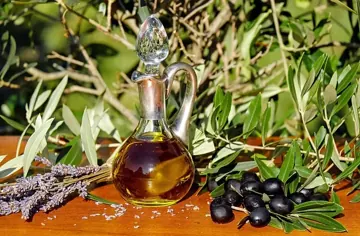 Olive oil Classic84%
Elementary duo: olive oil amplifies the richness of pine nuts in a natural emulsion.
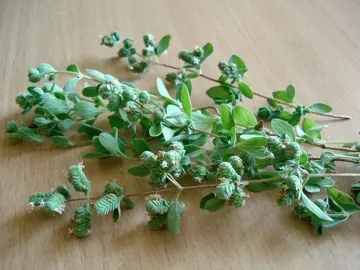 Oregano Classic84%
Greek and Italian aromatic: herbaceous notes complement the buttery texture.
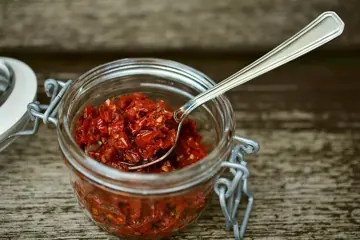 Sun-dried tomato Classic83%
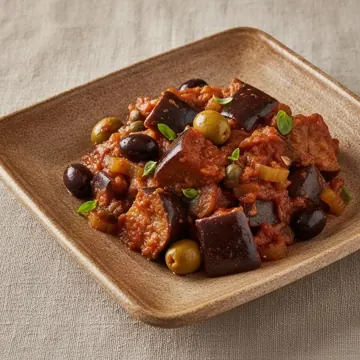
Sun-dried tomatoes and pine nuts in Sicilian pastas and stuffings.
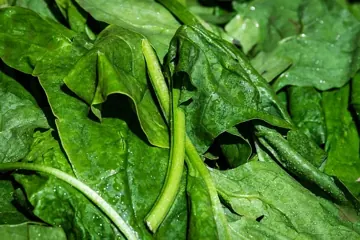 Spinach Classic83%
Spinach with pine nuts and raisins, Catalan style.
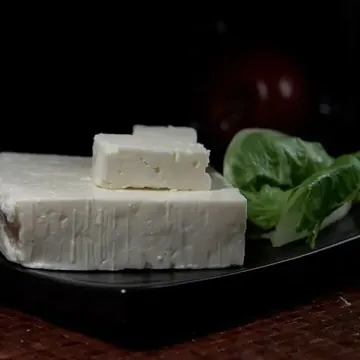 Feta Classic83%
Harmonious Greek salad: cheese salt contrasts with pine nut creaminess.
Plate builder, pantry, dishes: it's all in the app.
In the kitchen
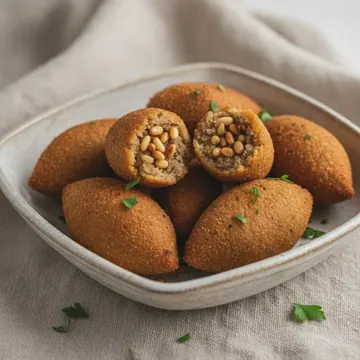
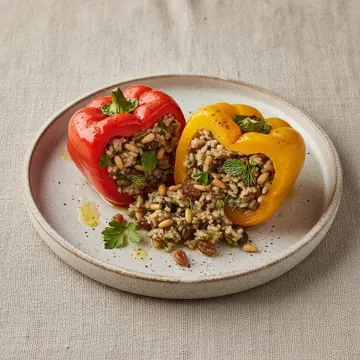
Signature dishes
Substitutes
FAQ
What goes with pine nut?
Pine nut pairs especially well with basil, tomato, garlic, raisin and lemon. Basil and pine nuts, the base of Genovese pesto.
What can I substitute for pine nut?
If you don't have it, try: almond, hazelnut, walnut, pumpkin seed.