 mezzomedi
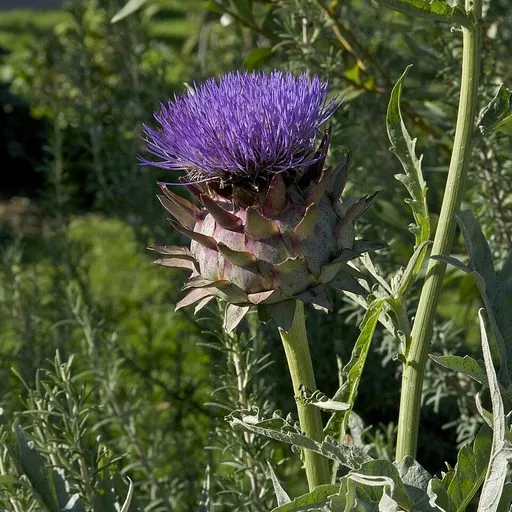
Artichoke
Slightly bitter and vegetal, with a nutty sweetness and an umami undertone.
Artichoke is a vegetable with fleshy leaves and tender flesh, presenting a pleasant slight bitterness and a melting texture after cooking. Its flavorful hearts and thickened bottoms form the base of many Mediterranean dishes. It lends itself equally well to simple cooking and complex preparations, enriching stews, risottos, and garnishes with its delicate nuances.
Best pairings
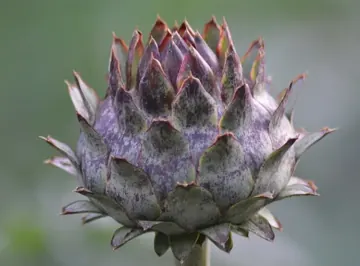 Cardoon Classic88%
Very similar flavors, cardoon is a wild cousin of cultivated artichoke, with nutty and green notes.
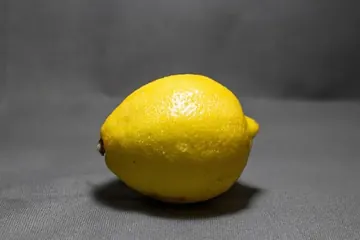 Lemon Classic86%
Lemon prevents artichokes from browning and awakens their bitterness.
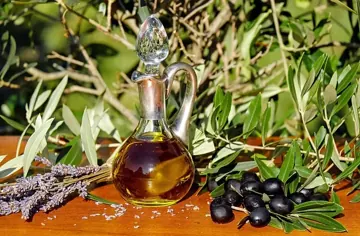 Olive oil Classic86%
Eternal Mediterranean pairing: rich olive oil coats artichokes and magnifies their tender texture.
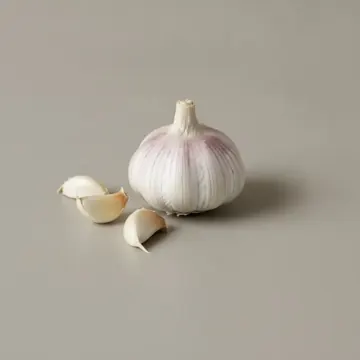 Garlic Classic86%
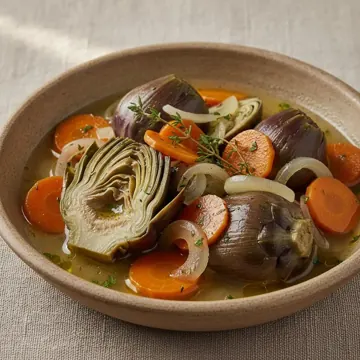
Garlic and artichoke, the base of barigoule and stuffed dishes.
 Bay leaf Classic82%
A traditional broth aromatic: bay leaf delicately perfumes artichoke cooking water.
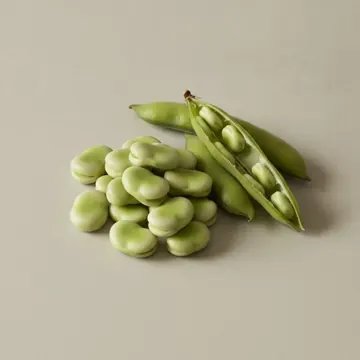 Fava bean Classic81%
Fava beans and artichokes, Roman vignarola.
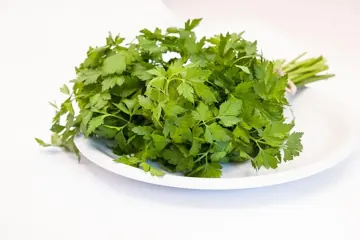 Flat-leaf parsley Classic80%
Parsley and garlic in artichoke stuffing.
 Rice Classic80%
Artichoke risotto: a Mediterranean spring pairing, with herbaceous notes and slight bitterness.
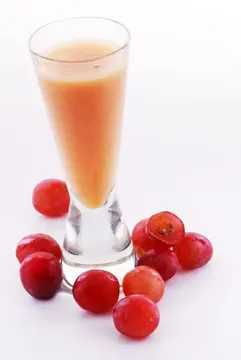 Verjus Classic80%
Shared gentle bitterness, verjus acidity softened by the artichoke's sweet heart.
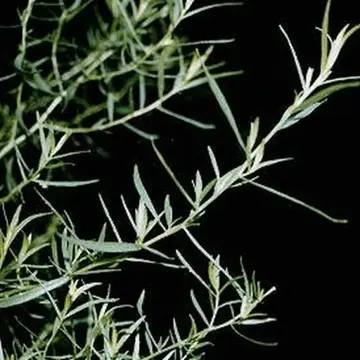 Tarragon Classic80%
Artichoke hearts with tarragon sauce is a French-Mediterranean classic.
Plate builder, pantry, dishes: it's all in the app.
In the kitchen
Signature dishes
Substitutes
FAQ
What goes with artichoke?
Artichoke pairs especially well with cardoon, lemon, olive oil, garlic and bay leaf. Very similar flavors, cardoon is a wild cousin of cultivated artichoke, with nutty and green notes.
When is artichoke in season?
Best season: spring.
What can I substitute for artichoke?
If you don't have it, try: cardoon, zucchini, fennel.