 mezzomedi
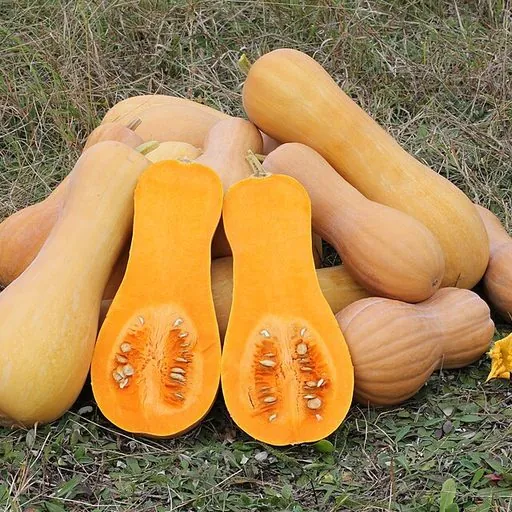
Butternut squash
Very sweet and velvety squash, with notes of hazelnut and caramel.
Sweet squash with intense orange flesh, it offers a tender texture once cooked. Delicately sweet and mild in flavor, it naturally finds its place in Mediterranean cuisine in gratins, purees, and roasted preparations. Its taste welcomes warm spices and aromatic herbs from the Mediterranean basin.
Best pairings
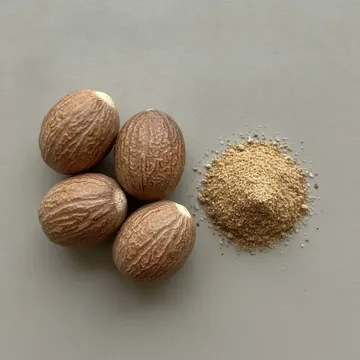 Nutmeg Classic88%
Nutmeg magnifies the subtle sweetness of squash with its highly compatible warm, sweet, and woody notes.
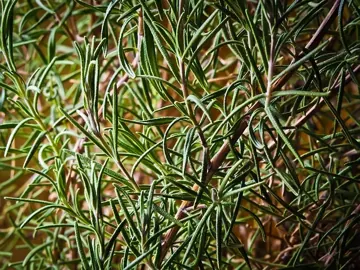 Rosemary Classic87%
Rosemary intensifies squash's nutty notes and complements its creaminess with rustic herbaceous minerality.
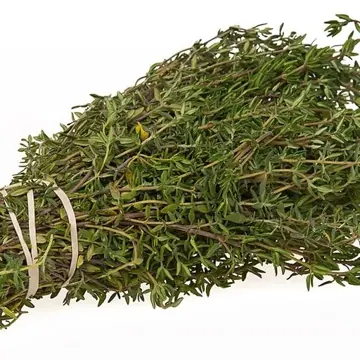 Thyme Classic86%
Classic Mediterranean herb that brings lightness and a delicately peppery support to the richness of squash.
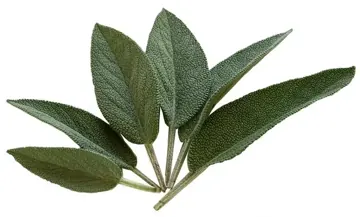 Sage Classic84%
Butternut squash and sage: the camphoraceous herb carries the sweet squash.
 Parmesan Classic84%
Butternut squash and Parmesan in risotto and gratin.
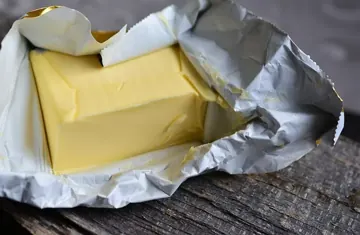 Butter Classic84%
Butter amplifies the natural creaminess and nutty notes of squash; a classic in Italian preparations.
 Ricotta Classic83%
Ricotta shares the squash's creaminess while adding a creamy lightness and Tuscan delicacy.
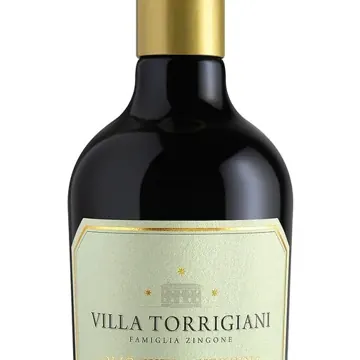 Extra virgin olive oil Classic82%
Roasted butternut squash with olive oil offers gentle caramelization.
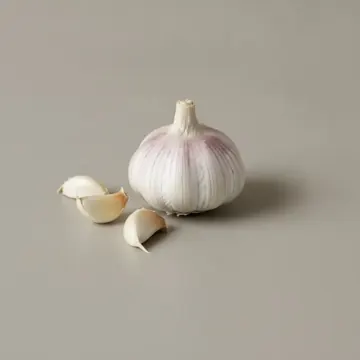 Garlic Classic79%
Caramelized or pan-fried garlic complements squash's sweetness, adding warm, savory depth.
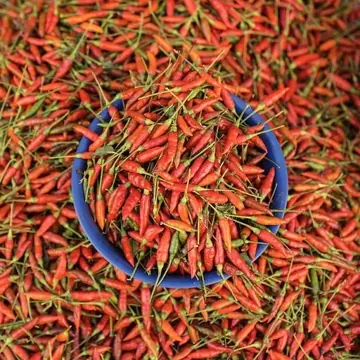 Chili pepper Contrast78%
A hint of chili pepper awakens the sweetness of roasted butternut squash.
Plate builder, pantry, dishes: it's all in the app.
In the kitchen
Signature dishes
Substitutes
FAQ
What goes with butternut squash?
Butternut squash pairs especially well with nutmeg, rosemary, thyme, sage and parmesan. Nutmeg magnifies the subtle sweetness of squash with its highly compatible warm, sweet, and woody notes.
When is butternut squash in season?
Best season: autumn, winter.
What can I substitute for butternut squash?
If you don't have it, try: pumpkin, sweet potato, carrot.