 mezzomedi
Sage
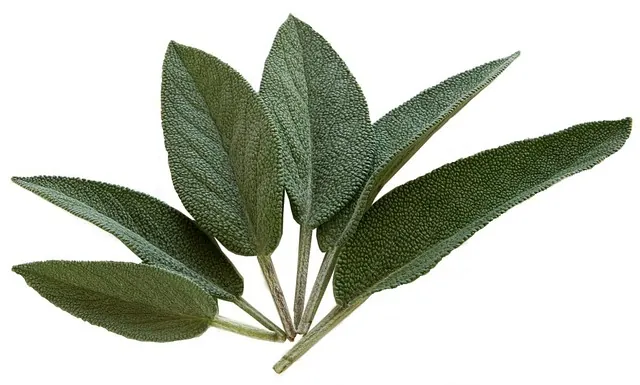
Camphoraceous and slightly bitter sage, earthy and eucalyptus note.
Sage has a savory, slightly peppery and woody taste, with a firm, velvety texture. It is a warm, aromatic herb that pairs remarkably well with fats and meats, especially pork and poultry. Its role in Mediterranean cuisine makes it a staple of Italian and Provençal cooking, where it accompanies roasted preparations and sauces.
Best pairings
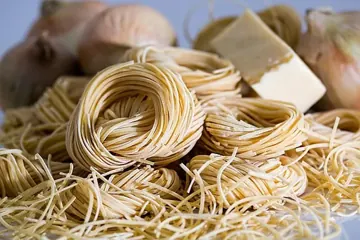 Pasta Classic88%
Sage and pasta are inseparable in Italy, especially in butter or walnut sauces.
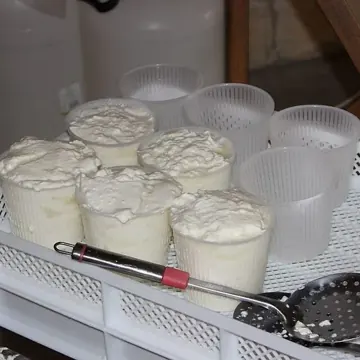 Ricotta Classic88%
A fundamental Provençal and Italian pairing: ricotta, sage, and honey form classic fillings.
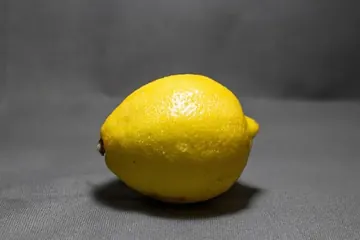 Lemon Classic88%
Lemon's acidity illuminates sage's herbaceous aroma in Mediterranean preparations.
 Guinea fowl Classic88%
A gentle complementary herb; sage soothes game and creates a sophisticated herbaceous harmony.
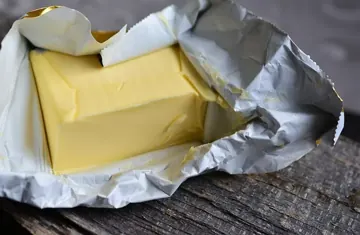 Butter Classic87%
Butter and sage, the sauce for ravioli and gnocchi.
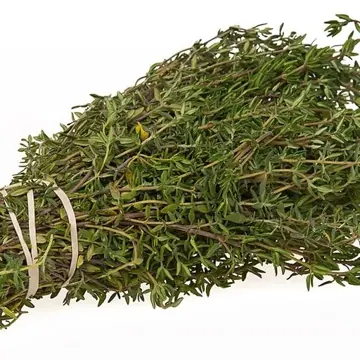 Thyme Classic87%
An archaic Provençal herbaceous combination, often used together in bouquet garnis.
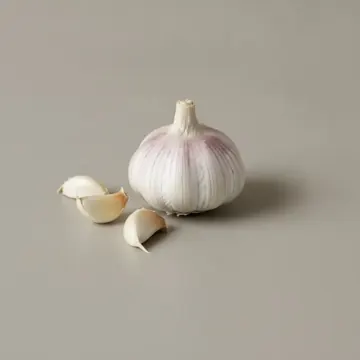 Garlic Classic86%
Fundamental aromatic base: sage and garlic form the foundation of many Mediterranean dishes.
 Polenta Classic86%
Polenta with butter and sage (brown butter): sweet spicy aromaticity, a Tuscan-Umbrian classic.
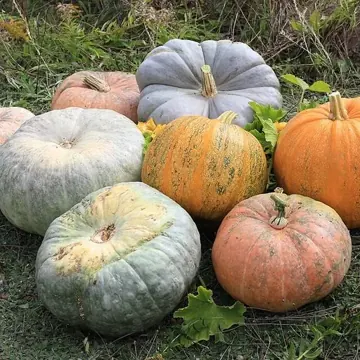 Pumpkin Classic85%
Pumpkin and sage, the camphoraceous herb elevates squash (ravioli).
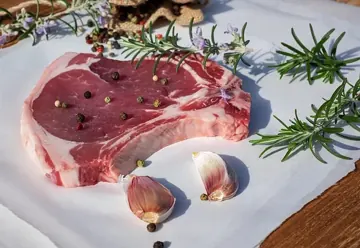 Veal Classic85%
Saltimbocca: veal, sage, and Parma ham.
Plate builder, pantry, dishes: it's all in the app.
In the kitchen
Signature dishes
Substitutes
FAQ
What goes with sage?
Sage pairs especially well with pasta, ricotta, lemon, guinea fowl and butter. Sage and pasta are inseparable in Italy, especially in butter or walnut sauces.
What can I substitute for sage?
If you don't have it, try: rosemary, thyme, marjoram.