 mezzomedi
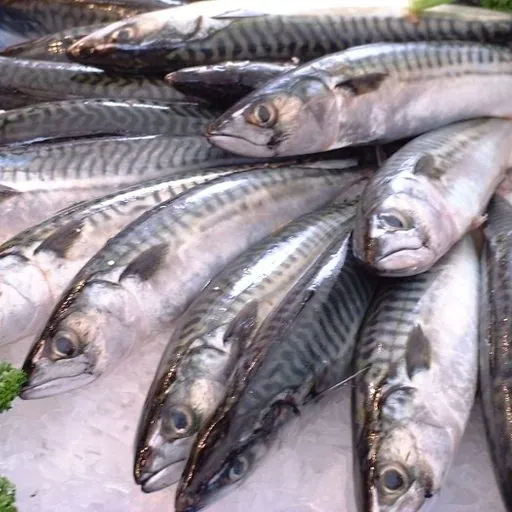
Mackerel
Fatty, powerful mackerel, rich and briny, balanced by acidity.
Mackerel is an oily fish with firm flesh and a pronounced, slightly metallic taste. Rich in natural oils, it holds up particularly well to baking, grilling, and canning. A fundamental fish in Mediterranean cuisine, especially Iberian and Greek, it pairs ideally with lemons, olive oils, and robust herbs.
Best pairings
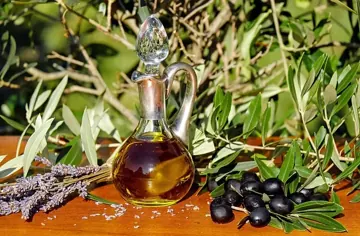 Olive oil Classic88%
The base of every Mediterranean pairing: virgin olive oil softens the power of mackerel and creates a rich bond.
 Lemon Classic86%
Lemon on mackerel, the acidity cuts through the fat.
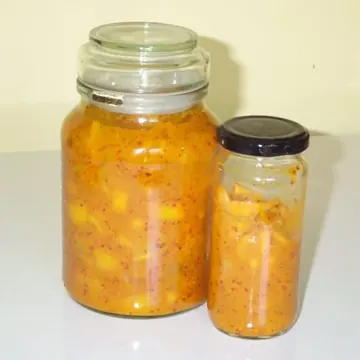 Preserved lemon Classic86%
Moroccan preserved lemon, with its umami notes, enriches mackerel with an herbaceous and salty dimension.
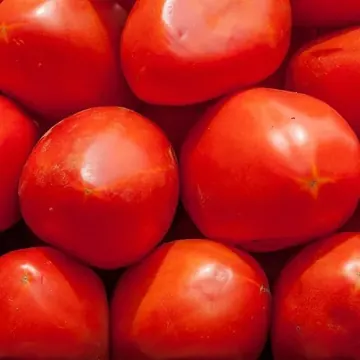 Tomato Classic84%
Classic Mediterranean tomato sauce with mackerel: gentle acidity and fresh notes balance the oily fish.
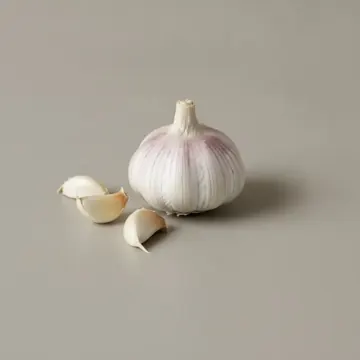 Garlic Classic83%
Cooked garlic softens raw mackerel; pungent raw garlic sharply cuts its powerful iodine flavor.
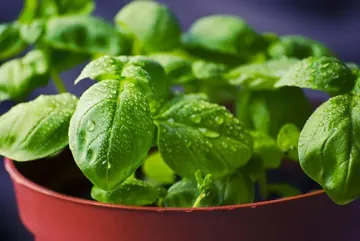 Basil Classic82%
Fresh Italian basil creates a light aniseed scent that complements the briny mackerel without overpowering it.
 Black olive Classic81%
The bitterness and saltiness of black olive deliciously contrast with the rich flesh of mackerel.
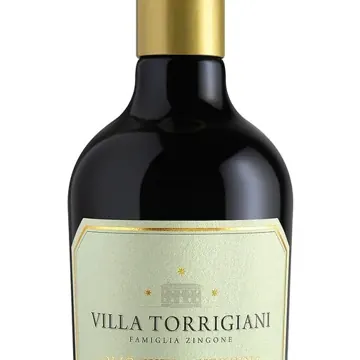 Extra virgin olive oil Classic80%
Grilled mackerel with olive oil.
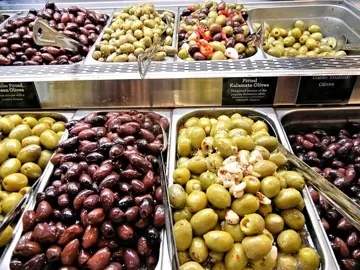 Kalamata olive Classic80%
Greek Kalamata olive: a complex flavor that is bitter, salty, and fruity, enhancing grilled mackerel.
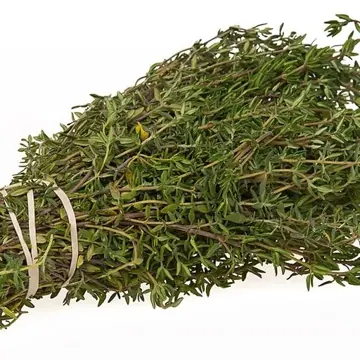 Thyme Classic80%
Provençal thyme: herbaceous and slightly woody, it cleanses the palate from the intense oceanic taste of mackerel.
Plate builder, pantry, dishes: it's all in the app.
In the kitchen
Signature dishes
Substitutes
FAQ
What goes with mackerel?
Mackerel pairs especially well with olive oil, lemon, preserved lemon, tomato and garlic. The base of every Mediterranean pairing: virgin olive oil softens the power of mackerel and creates a rich bond.
What can I substitute for mackerel?
If you don't have it, try: sardine, anchovy, sea bass.