 mezzomedi
Farro
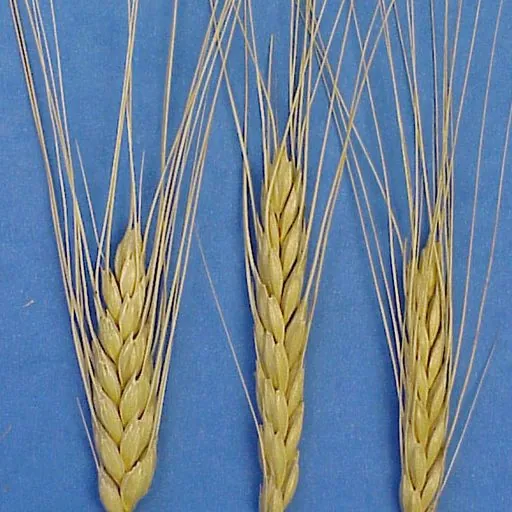
Firm and rustic spelt, pleasant chew and hazelnut flavor.
Spelt is an ancient grain with a rich and slightly nutty taste, and a firm texture that holds up well to cooking. In Mediterranean cuisine, it traditionally replaces rice or wheat in stews and side dishes, bringing a deep and robust flavor.
Best pairings
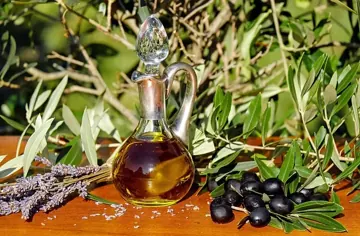 Olive oil Classic88%
An omnipresent base in the Mediterranean, olive oil amplifies the nuttiness of spelt and binds all other ingredients.
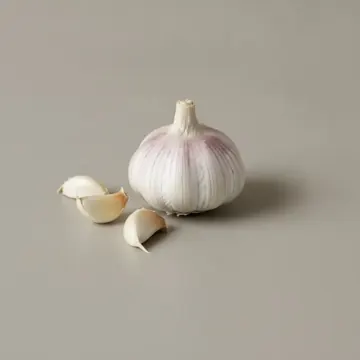 Garlic Classic83%
Foundational aromatic; sweet cooked garlic exalts the earthiness of spelt, essential in risotto or soup.
 Extra virgin olive oil Classic82%
Spelt with olive oil in a rustic salad.
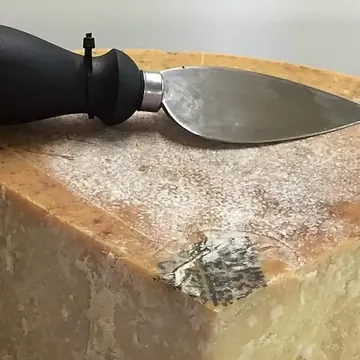 Parmesan Classic82%
Strong umami cheese enriches spelt like in a risotto, creating body and a lingering finish.
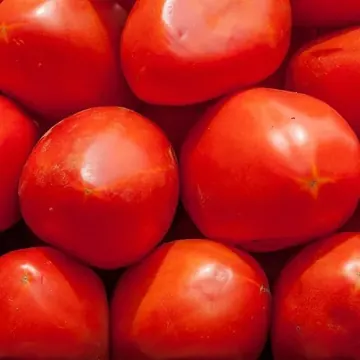 Tomato Classic80%
Farro and tomato in Tuscan summer salad.
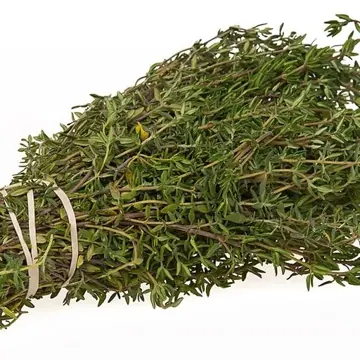 Thyme Classic80%
Quintessential Provençal herb; its floral herbaceousness highlights farro's rustic graininess.
 Red wine Classic79%
Cooked red wine enriches spelt in braised dishes; tannins structure the grain and create depth.
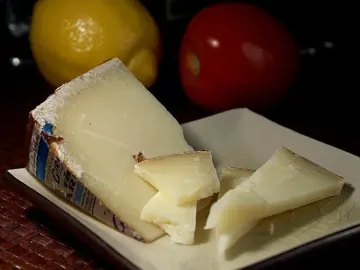 Pecorino Classic78%
Pecorino and spelt in Tuscan salad.
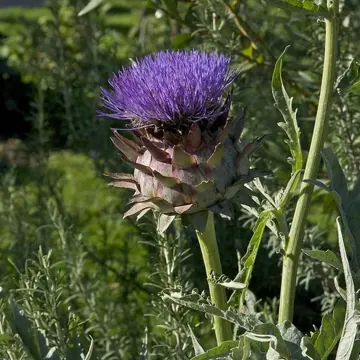 Artichoke Classic78%
A noble Mediterranean vegetable whose slight bitterness and fine texture pair well with spelt in risotto or salad.
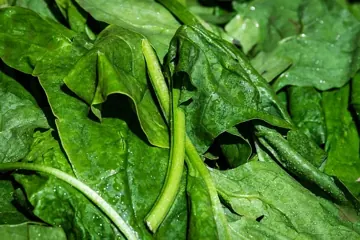 Spinach Classic77%
Fresh or braised spinach enriches spelt with iron and chlorophyll; a traditional Italian combination.
Plate builder, pantry, dishes: it's all in the app.
In the kitchen
Signature dishes
Substitutes
FAQ
What goes with farro?
Farro pairs especially well with olive oil, garlic, extra virgin olive oil, parmesan and tomato. An omnipresent base in the Mediterranean, olive oil amplifies the nuttiness of spelt and binds all other ingredients.
What can I substitute for farro?
If you don't have it, try: rice, barley, couscous, bulgur.