 mezzomedi
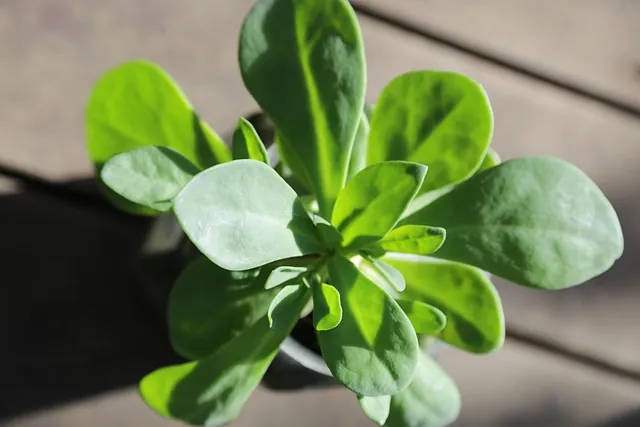
Purslane
Fleshy and tart purslane, saline and fresh note, juicy crunch.
Purslane is a succulent herb with fleshy, crisp leaves, offering a slightly tart and salty taste. Rich in omega-3s and minerals, purslane is used raw in salads or pan-fried for its delicate flavor. A traditional ingredient in Greek, Turkish, and Maghrebi cuisines.
Best pairings
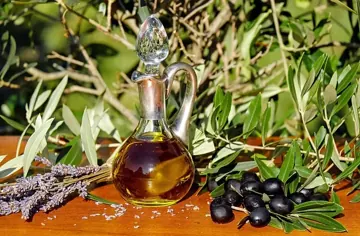 Olive oil Classic88%
An essential emulsifying base in the Mediterranean: generous olive oil coats and subtly enhances very watery purslane.
 Wine vinegar Classic85%
Warm acidity enhances the tender flesh of purslane in traditional Mediterranean marinades.
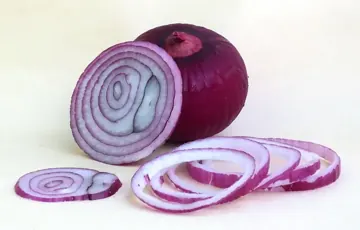 Red onion Classic84%
Both pungent and sweet, red onion enhances the subtle bitterness of purslane in Mediterranean salad.
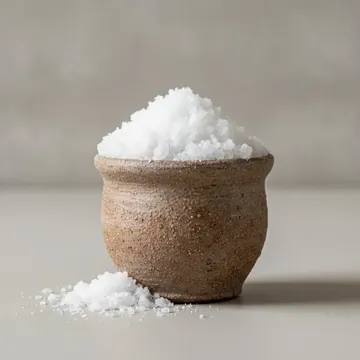 Sea salt Classic83%
Mineral notes enhanced by fleur de sel: osmosis reveals every hidden sweet grain of fresh purslane.
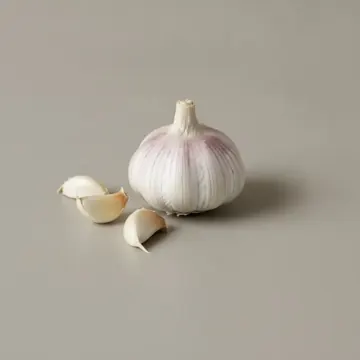 Garlic Classic82%
Garlic's penetrating warmth transforms raw purslane into a comforting salad, a common Greek tradition.
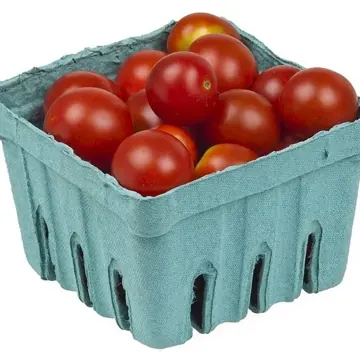 Cherry tomato Classic82%
More concentrated sugar than regular tomatoes, beautifully counterbalancing purslane's persistent bitterness.
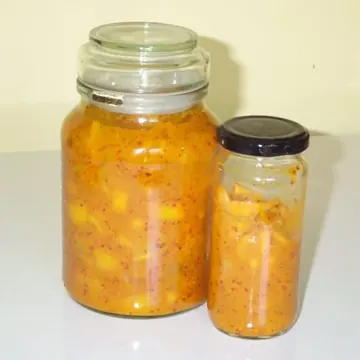 Preserved lemon Classic80%
Complex fermented acidity that magnifies purslane's minerality in Egyptian or Moroccan dishes.
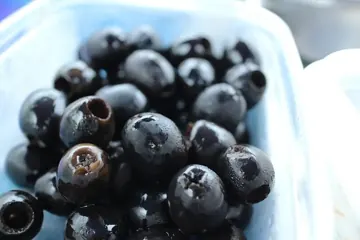 Black olive Classic79%
Bitterness on bitterness harmoniously recreated: the two raw herbs enhance each other in Provence.
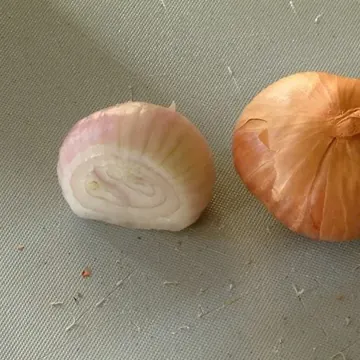 Shallot Classic79%
A more refined sweetness than onion: shallot delicately envelops the bitterness of purslane.
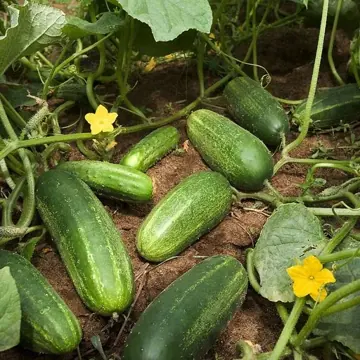 Cucumber Classic78%
Purslane and cucumber, a fresh Levantine salad (fattoush).
Plate builder, pantry, dishes: it's all in the app.
In the kitchen
Signature dishes
Substitutes
FAQ
What goes with purslane?
Purslane pairs especially well with olive oil, wine vinegar, red onion, sea salt and garlic. An essential emulsifying base in the Mediterranean: generous olive oil coats and subtly enhances very watery purslane.
When is purslane in season?
Best season: summer.
What can I substitute for purslane?
If you don't have it, try: spinach, swiss chard, arugula.