 mezzomedi
Oyster
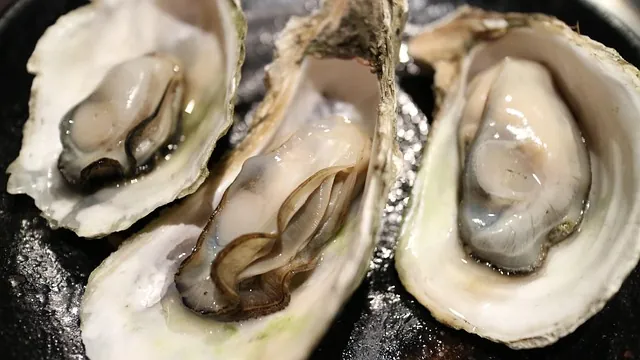
Lively, briny oyster, with mineral salinity and a hint of marine cucumber.
Oysters are marine mollusks with a briny and iodized taste, presenting tender and slightly sweet flesh. Their delicate texture makes them a prized seafood enjoyed raw, but they also tolerate cooking. In Mediterranean cuisine, they feature particularly in coastal gastronomy, eaten plain or simply prepared to preserve their marine flavor.
Best pairings
 Verjus Classic87%
Verjus highlights the mineral salinity of oysters, advantageously replacing raw lemon.
 Lemon Classic86%
Lemon on oysters, acidity on iodine.
 White wine Classic83%
An essential coastal pairing: the oyster's iodine and white wine's salinity create a marine harmony.
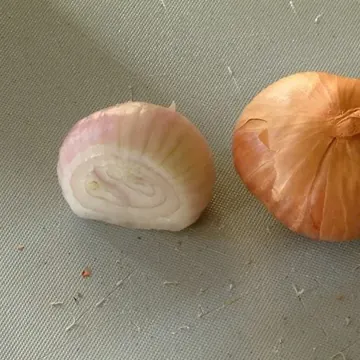 Shallot Classic82%
Shallot mignonette with vinegar on oysters.
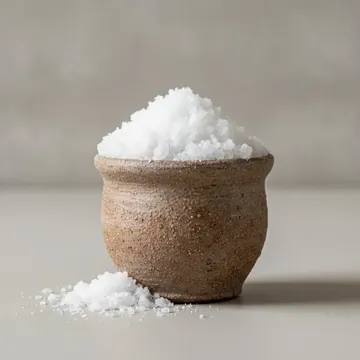 Sea salt Classic82%
Fleur de sel amplifies the inherent oceanic salinity of raw or cooked oysters.
 Wine vinegar Classic77%
Mignonette vinegar on oysters.
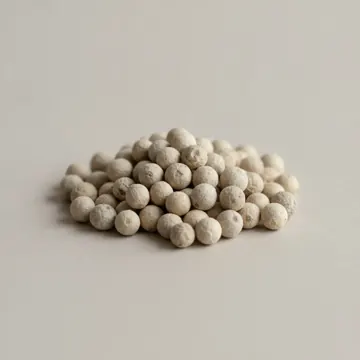 White pepper Classic76%
White pepper, more subtle than black, highlights sweetness without masking freshness.
 Bread Classic76%
Buttered rye bread with oysters.
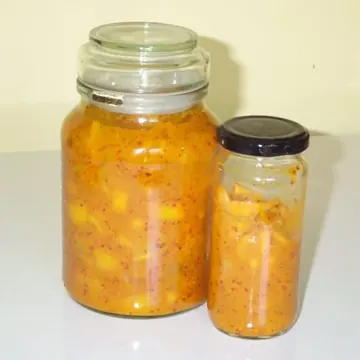 Preserved lemon Classic74%
Maghrebi preserved lemon brings a complex bitterness that magnifies the oyster's iodine notes.
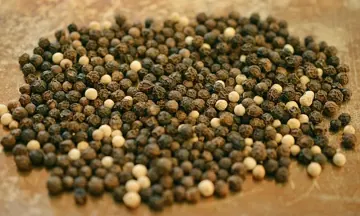 Black pepper Classic72%
Pepper on oysters.
Plate builder, pantry, dishes: it's all in the app.
In the kitchen
Signature dishes
Substitutes
FAQ
What goes with oyster?
Oyster pairs especially well with verjus, lemon, white wine, shallot and sea salt. Verjus highlights the mineral salinity of oysters, advantageously replacing raw lemon.
When is oyster in season?
Best season: winter.
What can I substitute for oyster?
If you don't have it, try: clam, mussel, sea urchin.