 mezzomedi
Mastic
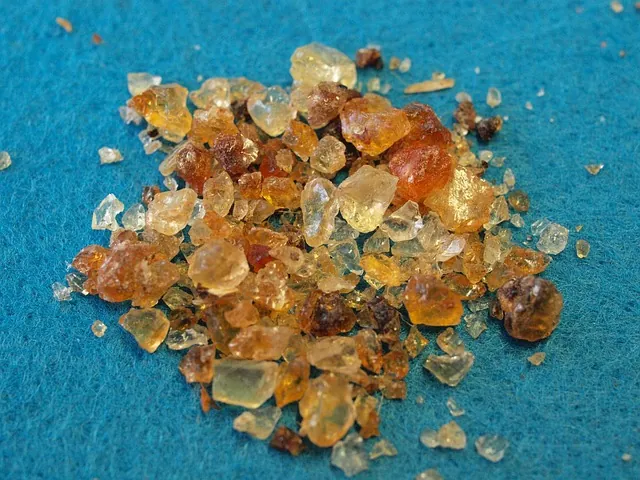
Mastic resin with notes of pine and cedar, slightly bitter and fresh.
Mastic is an aromatic resin extracted from the mastic tree, with a slightly bitter and resinous taste and pine notes. Crystalline in texture, it dissolves slowly in the mouth. A traditional spice in the cuisines of the Levant and Asia Minor, bringing a subtle and complex flavor to sweet and savory preparations.
Best pairings
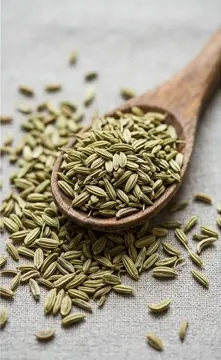 Fennel seed Classic88%
Complementary woody and aniseed aromatics, an essential duo in Mediterranean pastries and liqueurs.
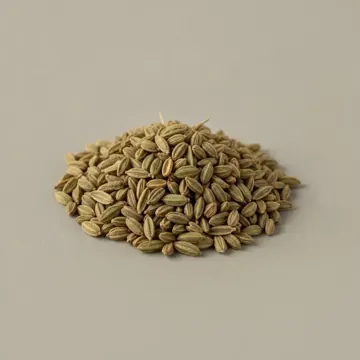 Anise Classic84%
Aniseed notes harmonize with the balsamic resin of mastic, a signature of Levantine liqueurs.
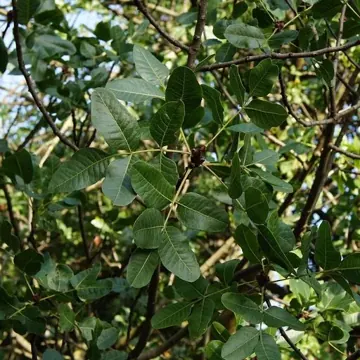 Pistachio Classic82%
A classic Turkish pastry pairing, where nutty pistachio marries the resinous notes of mastic.
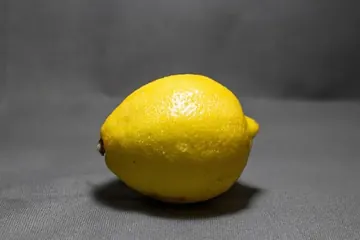 Lemon Classic80%
Citrus freshness contrasting with resinous density, a timeless Greek harmony.
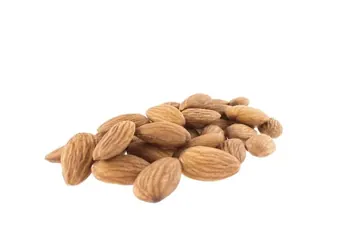 Almond Classic79%
Almond fondant complementing the woody structure of mastic, a base for oriental syrups.
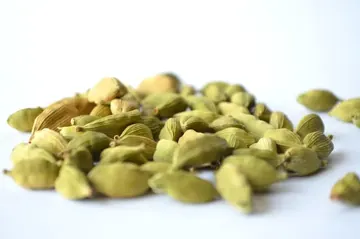 Cardamom Classic78%
Warm, aromatic spices unite in Levantine desserts and spiced coffees.
 Rose water Classic77%
Resinous Greek spice; mastic adds a subtle woody flavor to floral notes.
 Honey Aroma bridge76%
Mastic and honey in Greek and Levantine sweets.
 Orange Classic76%
Gentle citrus acidity tames resinous notes, a classic in Mediterranean pastry.
 Raki Classic74%
Mastic shares raki's aniseed-spicy Levantine origin, a typical Greek and Turkish pairing.
Plate builder, pantry, dishes: it's all in the app.
In the kitchen
Signature dishes
Substitutes
FAQ
What goes with mastic?
Mastic pairs especially well with fennel seed, anise, pistachio, lemon and almond. Complementary woody and aniseed aromatics, an essential duo in Mediterranean pastries and liqueurs.
What can I substitute for mastic?
If you don't have it, try: anise, star anise, cardamom.