 mezzomedi
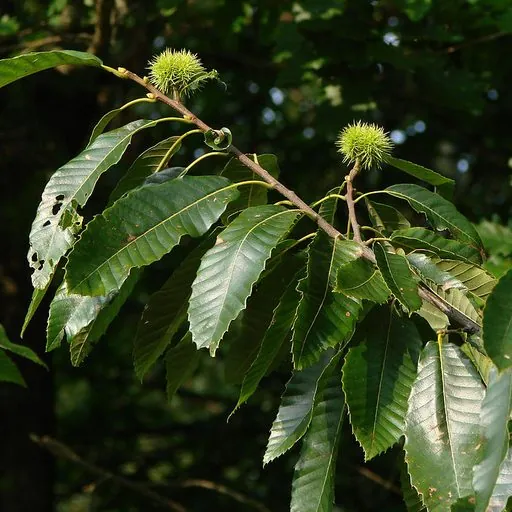
Chestnut
Sweet, floury chestnut, sugary and woody, comforting in winter.
Chestnuts offer a mild, slightly sweet flavor, with a starchy and tender texture once cooked. In Mediterranean cuisine, they accompany poultry and game, are mixed into stuffings, or used roasted as an appetizer.
Best pairings
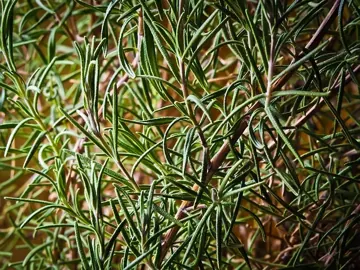 Rosemary Classic87%
The quintessential Provençal herb enhances the earthy nuttiness of chestnuts and enriches their aromatic profile.
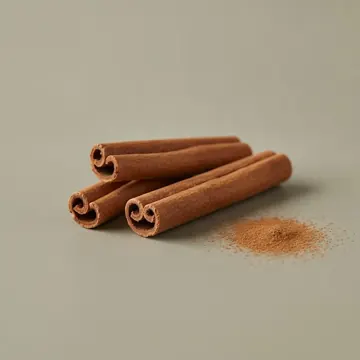 Cinnamon Classic86%
A common Mediterranean spice that accentuates the sweet and caramelized notes of roasted or candied chestnuts.
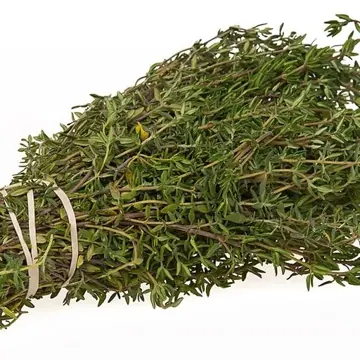 Thyme Classic84%
Complementary Provençal herb, slightly mentholated, that reinforces the woody depth of chestnut.
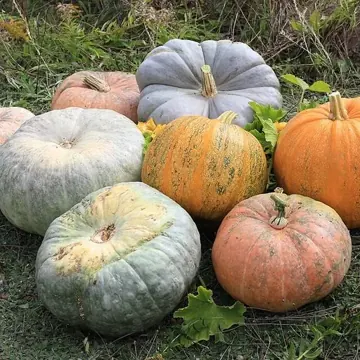 Pumpkin Classic79%
Chestnut and pumpkin, an autumn velouté.
 Chocolate Classic78%
Chestnut and chocolate, in Mont Blanc and other desserts.
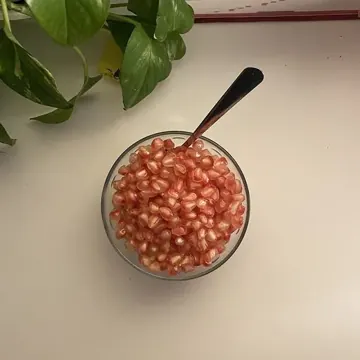 Pomegranate Classic78%
Pomegranate brings freshness and acidity to counterbalance the rich creaminess of chestnuts in autumn dishes.
 Guinea fowl Classic77%
Guinea fowl and chestnuts, an autumnal festive dish.
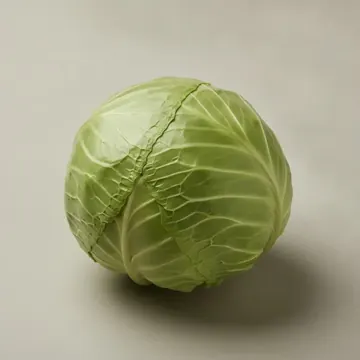 Cabbage Classic77%
Chestnuts and cabbage, a rustic winter pairing.
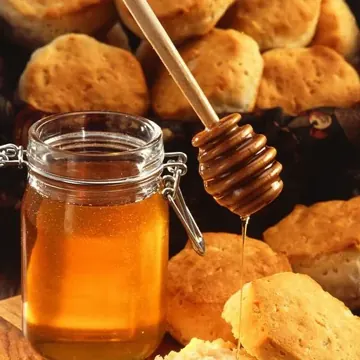 Honey Classic76%
Chestnut and honey, candied chestnuts and desserts.
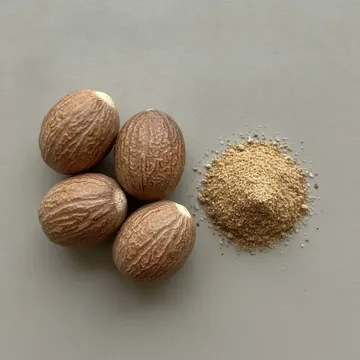 Nutmeg Classic76%
Nutmeg enriches the natural spicy notes of chestnut, present in ancient Levantine recipes.
Plate builder, pantry, dishes: it's all in the app.
In the kitchen
Signature dishes
Substitutes
FAQ
What goes with chestnut?
Chestnut pairs especially well with rosemary, cinnamon, thyme, pumpkin and chocolate. The quintessential Provençal herb enhances the earthy nuttiness of chestnuts and enriches their aromatic profile.
When is chestnut in season?
Best season: autumn, winter.
What can I substitute for chestnut?
If you don't have it, try: walnut, hazelnut, almond.