 mezzomedi
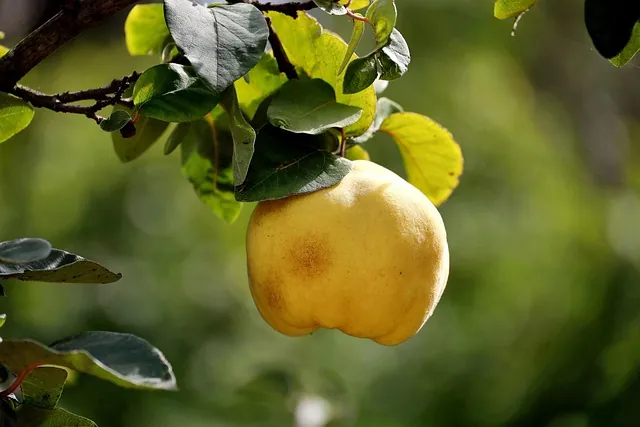
Quince
Astringent when raw, quince becomes fragrant, floral, and honeyed when cooked.
Quince is a firm fruit with an astringent and slightly sweet taste, typically consumed cooked. Its dense, fragrant flesh softens with heat, releasing a characteristic tart flavor. In Mediterranean cuisine, it is traditionally made into paste, candied, or added to slow-cooked dishes.
Best pairings
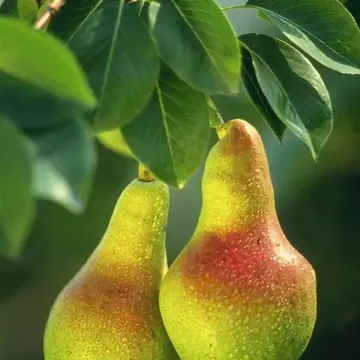 Pear Classic87%
Similar profile, used together in Levantine desserts and preserves.
 Manchego Classic86%
Manchego and quince paste, the Iberian pairing.
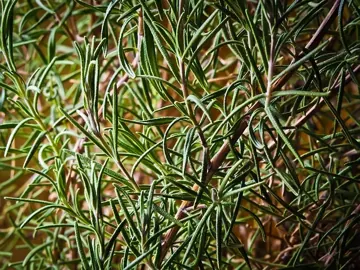 Rosemary Classic82%
Used in Provence for sweet-savory quince preserves.
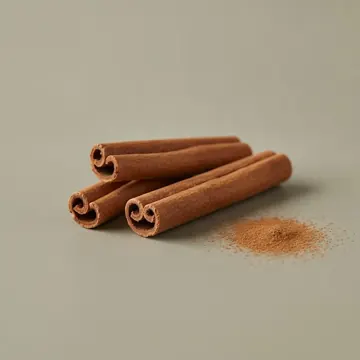 Cinnamon Classic81%
Quince paste (membrillo) gains depth with cinnamon, a classic Iberian pairing.
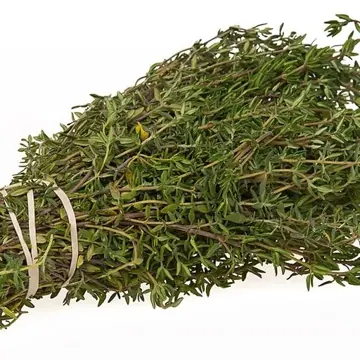 Thyme Classic81%
Essential Mediterranean herb for Provençal candied quinces.
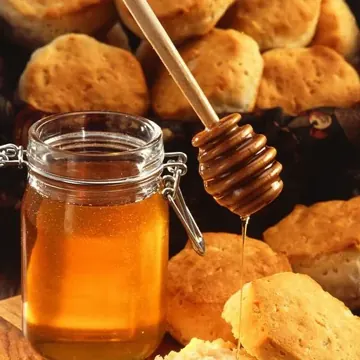 Honey Classic80%
Honey-poached quince, a fragrant autumn dessert.
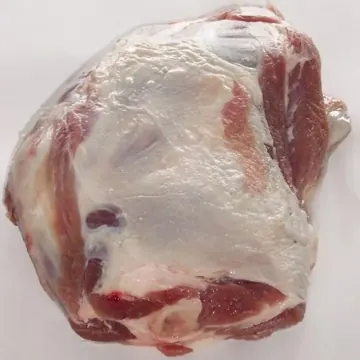 Lamb Classic80%
Quince and lamb in sweet-savory tagines.
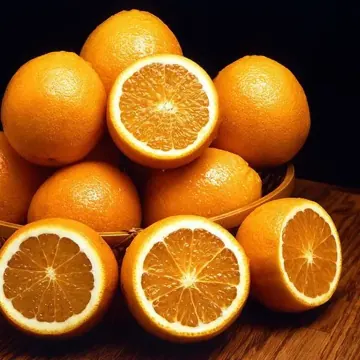 Orange Classic79%
Classic sweet-bitter pairing in the Mediterranean.
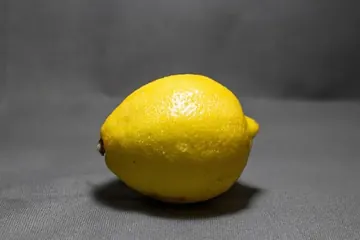 Lemon Classic78%
An acidic note balancing the natural astringency of raw quince.
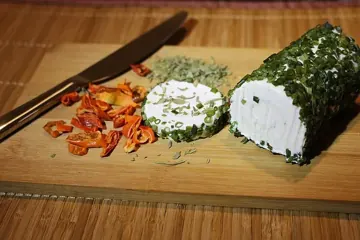 Goat cheese Classic78%
Quince paste and goat cheese, fragrant sweetness and acidity.
Plate builder, pantry, dishes: it's all in the app.
In the kitchen
Signature dishes
Substitutes
FAQ
What goes with quince?
Quince pairs especially well with pear, manchego, rosemary, cinnamon and thyme. Similar profile, used together in Levantine desserts and preserves.
When is quince in season?
Best season: autumn.
What can I substitute for quince?
If you don't have it, try: apple, pear, pomegranate.