 mezzomedi
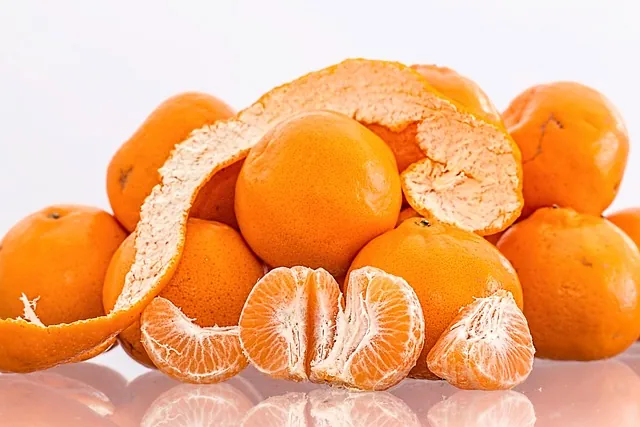
Mandarin
Very sweet and fragrant, tender and easy-to-peel citrus with floral notes.
Mandarin offers juicy, sweet flesh with a slight acidity, encased in a thin, easy-to-peel skin. Its fresh and sweet taste makes it prized in Mediterranean cuisine, both eaten plain and incorporated into sauces, desserts, and savory dishes. It brings a bright and subtle citrus note.
Best pairings
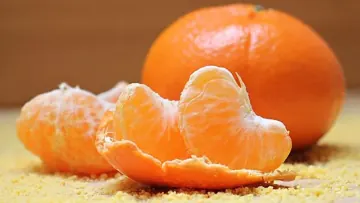 Clementine Classic88%
A citrus sibling to clementine, sharing the same sweet softness with a slight tangy zest.
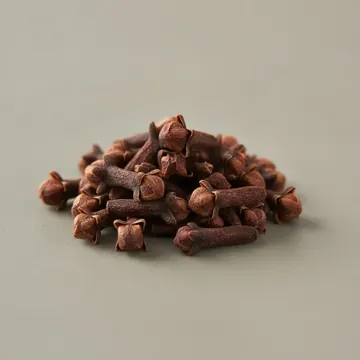 Clove Classic86%
Penetrating spice; a spicy warmth that enriches citrusy sweetness without overpowering it.
 Lemon Classic85%
Complementary citrus; lemon's acidity enhances the mandarin's floral sweetness.
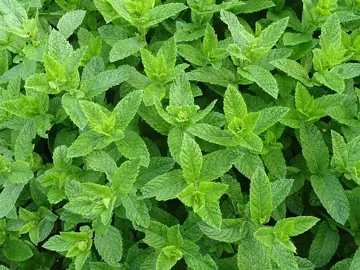 Mint Classic82%
Fresh herb; Levantine mint enhances the bright freshness of citrus.
 Chocolate Classic80%
Mandarin and chocolate, sweet citrus and cocoa.
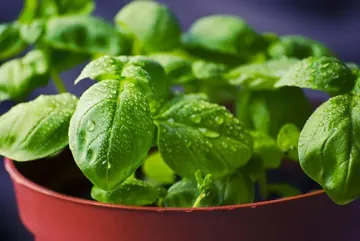 Basil Classic80%
Italian anise basil; anise notes that converse with aromatic mandarin.
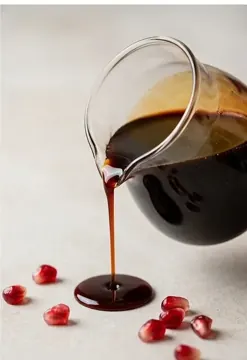 Pomegranate molasses Classic79%
Sweet-sour Levantine syrup; complex acidity creates a brilliant sweet-tart contrast.
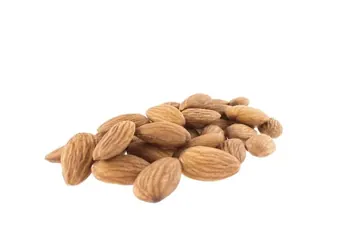 Almond Classic78%
Mandarin and almond in Southern desserts.
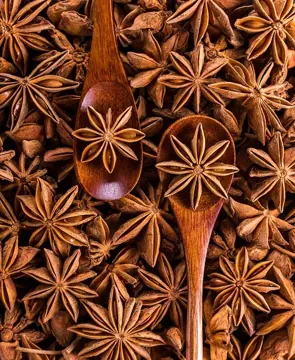 Star anise Classic78%
Oriental star anise; its warm anise flavor marries well with fruity mandarin.
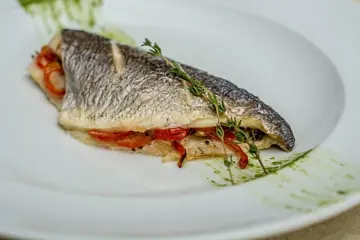 Sea bass Classic77%
Mediterranean white sea bass; classic citrus that soothes delicate white flesh.
Plate builder, pantry, dishes: it's all in the app.
In the kitchen
Signature dishes
Substitutes
FAQ
What goes with mandarin?
Mandarin pairs especially well with clementine, clove, lemon, mint and chocolate. A citrus sibling to clementine, sharing the same sweet softness with a slight tangy zest.
When is mandarin in season?
Best season: winter.
What can I substitute for mandarin?
If you don't have it, try: orange, clementine, lemon.